|
|||||||||||||||||||||||||||||
| 1. | The Wefting class for System-EZ1, SM1, and SM2 will be completed for 4 days, 5 hours/day; or 6 days for slow learner. | ||||||||||||||||||||||||||||
| 2. | The wefting class for Wefting System-PRO1 can be done for 4 days, 5 hours/day if trainees have sewing experience for years for any kinds of products such as garments, shoes, bags, caps, etc. | ||||||||||||||||||||||||||||
| 3. | The Wefting Class for System-PRO1 with CW433-3H will be be done for 6 days, 5 hours/day if you have never operated any kind of sewing machine in order to give you more practice of Trouble Shootings and sewing sense. f you have been operating any kind of sewingmacines for years to produce such as garments, shoes, bags, caps, etc, our Wefting class will be done for 4 days. |
||||||||||||||||||||||||||||
| 4. | Enrollment is to be made 4 weeks before the class date you want to start by paying a part (30%) or all of a wefting machine (and the class) by Bank's Transfer ( T/T). In case you have paid for a machines only, the class fee can be paid in cash or Traveler's Check in Korea before the class starts. When you can not come to our class because of VISA to Korea (South Korea), we transfer back the enrollment money or your down-payment for class or/and machines to your bank account within 1 day after receipt of your Bank Account No. |
||||||||||||||||||||||||||||
WHAT TO TRAIN & LEARN IN OUR WEFTING CLASS |
|||||||||||||||||||||||||||||
| 1/ We train ( teach) you re the basic information and explanation about Human Hair (What is Remy Hair or Cuticle Hair; Conditions of Hair for wefting; How to buy or order Raw Hair or Processed hair) We let you know regarding HUMAN HAIR ( Russian hair, Indian hair, Chinese hair, Vietnam hair, Myanmarese Bangladesh hair, Malay hair, Indonesian hair, Mongol hair, Brazilian hair, etc) from the VIEW PINT OF WEFTING, WIG-MAKING, HAIR EXTENSION-MAKING DONE AT WORKSHOPS; AND WEAVING, BRAIDING, EXTENSION DONE AT HAIR SALONS |
|||||||||||||||||||||||||||||
| 2/ How to discriminate hair which is ready or suitable for good weft-making | |||||||||||||||||||||||||||||
| 3/ How to arrange hair suitable for wefting (sewing/wefting/stitching) SMOOTHLY & NEATLY WITHOUT TANGLING | |||||||||||||||||||||||||||||
| 4/ How to do HACKLING (BASIC LEVEL) & BRUSHING for hairs to be WELL & GOOD wefted | |||||||||||||||||||||||||||||
| 5/ How to feed supply) forward Hairs properly into a wefting machine to be wefted in an even (straight) row and in parallel horizentally by the the 1st sewing head : Most important skill in wefting and can not explain with videos and manuals ( photos & words) |
|||||||||||||||||||||||||||||
| 6/ How to position ( use) 2 hands in pushing hairs forward through the 1st sewing head | |||||||||||||||||||||||||||||
| 7/ How to discriminate good sewing thread from wrong sewing thread (The quality of sewing thread has something to do with the quality of wefts. |
|||||||||||||||||||||||||||||
| 8/ How to fix PROBLEMS in sewing and how to fix MECHANICAL PROBLEMS when pasrts are replaced, or the wefting machine stops running |
|||||||||||||||||||||||||||||
| 9/ How to change sewing threads | |||||||||||||||||||||||||||||
| 10A/ How to make weft with short sizes ( 10", 12", 14" ) of hair ( Manual techniques & Mechanical techniques) | |||||||||||||||||||||||||||||
| 10B/ How to make weft with long sizes ( 20", 24", 30", etc) of hair ( Manual techniques & Mechanical techniques) | |||||||||||||||||||||||||||||
| 10C/ How to make wefts with Synthetic fiber, or Human hair & Synthetic fiber mixed ( Manual techniques & Mechanical techniques) | |||||||||||||||||||||||||||||
| 10D/ How to make weft with wavy or culry Human hair ( or Syntehetic fiber | |||||||||||||||||||||||||||||
| 10E/ How to change thickness of weft to become thinner (very fine) or thicker | |||||||||||||||||||||||||||||
| 10F/ How to have 2 pages of wefts be put together (double paging) for making thicker or more hair amount ( density, or thickness) of weft | |||||||||||||||||||||||||||||
| 11A/ How to DISASSEMBLE & ASSEMBLE the wefting Machine you train with ( In the world including China, India, Korea, any country) Female sewing workers can not do DIS-ASSEMBLING & ASSEMBLING except THOSE we trained.) Our Training Policy ( John Yim's Policy) EVERY ONE TRAINED BY JOHN KOREA SHOULD HAVE BOTH FEMALE THINGS( TECHNIQUES , SKILLS ) & MALE THINGS IN ONE BODY TO BECOME SMATER, INDEPENDENT, AND CREATIVE WORKER. |
|||||||||||||||||||||||||||||
| 11B/ How to ARRANGE(ADJUST/SET) TENSION ( VERY ESSENTIAL TECHNICAL FACTOR- but we can not explain with videos & manuals & words) OF SEWING THREADS GOING BY/ THROUGHT DOZENS OF PLACES(PARTS) BECOME SUITABLE FOR GOOD STITCHING (WEFTING/SEWING) IN ORDER TO MAKE WEFT PRODUCED FINE AND WITHOUT HAIR SHADING OUT. THIS "TENSION-ADJUSTMENT" CAN NOT BE DONE PROPERLY BY ANY ONE (ANY SEWING GIRLS, ANY SEWING MACHINE ENGINNERS IN ANY COUNTRY) IF HE/SHE HAS NOT OPERATED WEFTING MACHINES. THIS IS THE MAIN REASON WHY YOU NEED HANDS-ON-TRAINING ( WITH US). | |||||||||||||||||||||||||||||
| 11C/ How to replace PARTS with GOOD QUALITY OF NEW PARTS SUCH AS BOBBINS, A GLUE SUPPLY BOX, BELTS, SPRINGS, RUBBER ROLLERS, PRESSURE FOOTS, NEEDLE PLATES, A MOTOR, etc and DO SETTING ( ADJUSTMENET) SUITABLE FOR WEFT-PRODUCTION. | |||||||||||||||||||||||||||||
| 11D/ How and where to put sewing oils in | |||||||||||||||||||||||||||||
| 11E/ How to adjust ( change) height of the sewing table | |||||||||||||||||||||||||||||
| 11G/ How to adjust the height of a motor | |||||||||||||||||||||||||||||
| 11H/ How to do THREADING at necessay parts allover a wefting machine | |||||||||||||||||||||||||||||
| 11I/ How to clean bobbin cases | |||||||||||||||||||||||||||||
| 11J/ How to trim Sewing Needles suitable for good sewing ( You should not use needles as you have bought.) | |||||||||||||||||||||||||||||
| 11K/ How to adjust tension of springs for proper tension of threads | |||||||||||||||||||||||||||||
| 11L/ How to do treading the bobbin cases with proper tension | |||||||||||||||||||||||||||||
| 11M/ How to change tensions of threads coming from bobbins | |||||||||||||||||||||||||||||
| 11O/ How to adjust tension of belts | |||||||||||||||||||||||||||||
11P/ How to adjust the hook timing when needles are changed |
|||||||||||||||||||||||||||||
| 11Q/ How to make hairs not fall out from weft MECHANICALLY | |||||||||||||||||||||||||||||
| 12/ LOTS OF EXTRA & AND MISCELLANEOUS TROUBLE SHOOTINGS ......MANY MANY MANY SMALL TECHNIQUES & SKILLS needed for producing fine wefts without hair falling out | |||||||||||||||||||||||||||||






Contents
of the Class-Weft
Wefting Class with CW430-2T3H, CW430-2T2H or, CW422-2H: 3 days x 5 hours/day
Enrollment is to be made 3 weeks before the class date you want by paying ( Bank Transfer) for a wefting machine (and the class fee).
( The class fee can be paid in Korea before the class starts.)
Trainee's own hair should be brought, about 5 Kgs in various conditions (long,short; Remy, Non-remy; Straight, Wavy, etc for learning for various possible cases in trainee's future production )

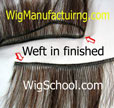
in parallel horizentally by the the 1st sewing head : Most important skill in wefting
(The quality of sewing thread has something to do with the quality of wefts.
when pasrts are replaced, or the wefting machine stops running
<
> Contents of the Wefting Class < > |
  |
  |
  |
 |
 |
|
||||||||||
|