|
|||||||||||||||||||||||||||||
   are
FULL COURSE M/M WIG-MAKING CLASSES. are
FULL COURSE M/M WIG-MAKING CLASSES. |
|||||||||||||||||||||||||||||
| 4 (5) MAIN SUB-CLASSES OF THE FULL COURSE WIG-MAKING CLASS | |||||||||||||||||||||||||||||
|
|||||||||||||||||||||||||||||
 |
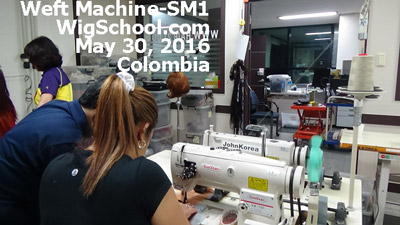
(1) Weft-Making One of 4 main processes of Full course of Wig-making We show a little part of the whole process in this movie, but all in the training duration. VIDEO of CW433-3H ( WEFT SEWING M/C WITH 3 Head Sewing HeadS  |
||||||||||||||||||||||||||||
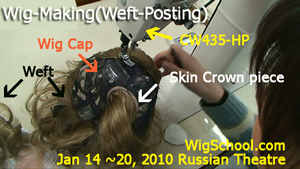 |
(2) Weft-Posting
(CW435-HP) |
||||||||||||||||||||||||||||
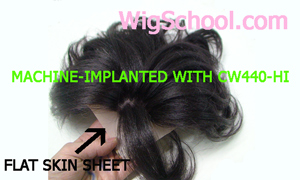 |
(3) Skin-piece-Making
(CW440-HI) |
||||||||||||||||||||||||||||
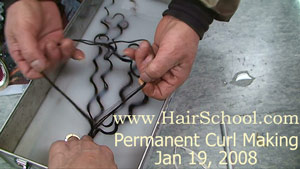 |
(4)
Curl-Making One of 4 main processes of Full course of Wig-making We would not show a video of this process for secret . CW461-HH for Human hair-Permanent curling (Synthetic wig factory does not need CW461-HH.) CW463-FR for Synthetic fiber- curling (Human hair wig factory need CW463FR as well as CW461HH.) |
 |
|||||||||||||||||||||||||||







How to make Wigs (Machine Made)
Period : 7 days(
Minimum) ~ 15 days
Training Fee: ? (for training with 4 machines such as CW433-3H
(or CW433-2N1N), CW435-HP, CW440-HI, and either one of CW463-DRY and CW461-STM)
Training Fee: ? (for training with 4 machines such as CW433-3H
(or CW433-2N1N), CW435-HP, CW440-HI, and either one of CW463-DRY and CW461-STM)
Contents
of Class
Machines to practise with
(1) making hair extension, weavon
(2) making general (fashion) wigs, wiglets
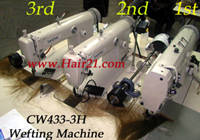
<> CW433-3H
<> CW433-2N1N
<> CW432-2H-FIBER (Synthetic fiber only)
When you can make wefts, you can produce various styles and designs of Hairpieces as well as Wigs.
2. Hi-posting sewing work
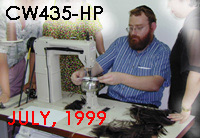
with CW435-HP for putting wefts onto a wigcap to be a Wig.
Wefts are to be posted ( sewn) onto a Wigcap to be a M/Made Wig.

For giving natural hair style on top of a wig; or skin parting or skin crown at the top part of a wig, CW440-HI is used.


( used in making Wigs, Toupees, xtensions, Hairpiece in weft or in Bulk, etc)

For small business ( wig shop owners), we have a small size;
(Inside Size)400mmx 400mm x 500 mm
The machines (4,5) are for most of hair materials used in making most of hair goods
( Wigs, Toupees, Hairpieces, wefts, etc)
except crimping braids, human hair, Synthetic fiber used for mainly Africans.
up-grading Wig-related
Machines with (1) the experience
of making machines and with
(2) more than 20 year-experience of
making wigs ( machine made, hand-tied ), Toupees, Human Hairpeices, and other
hair goods with such machines.
serve you with lots of basic and extra techniques & information re Human hair, Synthetic fiber, wig oils, other chemicals, machines, tools, supplies, netting materials, and re markets, etc.
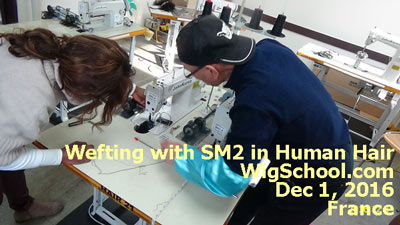
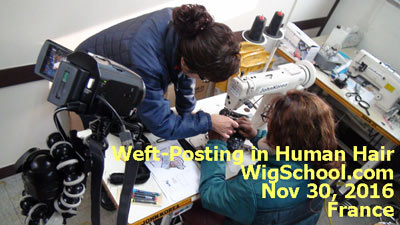






 Since 1984, we have been directly involved in the manufacturing and international export of hand-made toupees, women’s wigs — both hand-made and machine-made, using human hair and synthetic fibers — as well as hairpieces and other hair goods, including lace closures, lace toppers, synthetic braids, and human hair wefts, working through real factory operations and diverse global production environments.
 In 2000, we further expanded into the production and export of base materials, including
  Alongside production and development, we have conducted extensive hands-on training worldwide.
 Through long-term collaboration with buyers and partners across dozens of countries,
 This integrated cycle of manufacturing, machine development, chemical formulation, education, and global market feedback defines what we call Integrated Wig Science—
practical knowledge built to perform, scale, and generate real business value.
This integrated cycle of manufacturing, machine development, chemical formulation, education, and global market feedback defines what we call Integrated Wig Science—
practical knowledge built to perform, scale, and generate real business value.
